
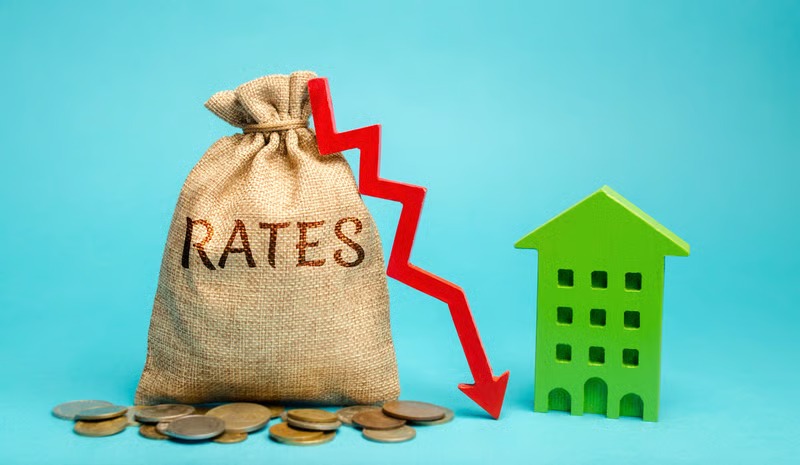
The real estate market moves closely with the economy, and few economic forces attract more attention than federal interest rate policy. Every time central banks adjust interest rates, the effects ripple through mortgage markets, housing demand, construction activity, and property investment decisions. Because of this powerful connection, interest rate announcements dominate daily property news and influence the financial decisions of millions of people.
Homebuyers watch rates carefully because borrowing costs determine affordability. Sellers monitor market conditions because rising rates can reduce buyer activity. Investors study federal policy because it affects financing costs, rental yields, and long-term asset performance. Even renters feel the impact when changes in housing demand alter rental prices and development activity.
Modern real estate reporting constantly analyzes federal interest rate policy because housing markets respond quickly to economic shifts. A single rate adjustment can change market sentiment almost overnight. Understanding how these policies influence real estate news helps buyers, investors, and homeowners make smarter financial decisions in uncertain markets.
Understanding Federal Interest Rate Policy
What Central Banks Aim to Control
Federal interest rate policy is one of the most important tools central banks use to manage the economy. Institutions such as the Federal Reserve in the United States adjust benchmark interest rates to influence inflation, employment, borrowing activity, and economic growth.
When inflation rises too quickly, central banks often increase interest rates to slow spending and borrowing. Higher borrowing costs reduce consumer demand, helping stabilize prices across the economy. During economic slowdowns, rates may be lowered to encourage investment, consumer spending, and business expansion.
Although these decisions are designed to stabilize the broader economy, the housing market often reacts immediately because real estate heavily depends on financing. Mortgage lenders closely follow central bank actions and adjust loan rates accordingly.
How Interest Rates Influence the Broader Economy
Interest rates affect nearly every financial activity. Businesses borrow money for expansion, consumers finance homes and vehicles, and investors evaluate market opportunities based on borrowing costs. Because housing is one of the largest financial commitments most people make, even small changes in rates can dramatically alter affordability.
Lower rates usually encourage economic activity because loans become cheaper. Consumers feel more confident making large purchases, including homes. Higher rates have the opposite effect by increasing monthly loan payments and reducing purchasing power.
This direct relationship explains why federal interest rate policy becomes a major topic in daily real estate news coverage.
The Relationship Between Mortgage Rates and Federal Policy
Why Home Loan Costs Change Quickly
Mortgage rates are strongly influenced by federal interest rate policy, although they are not identical. Lenders evaluate broader economic conditions, inflation expectations, and bond market performance when setting mortgage rates. However, central bank decisions heavily shape those financial conditions.
When rates rise, borrowing becomes more expensive for banks and lenders. Those higher costs are passed on to consumers through increased mortgage rates. As a result, monthly housing payments rise significantly, especially for long-term loans.
Even a small increase in mortgage rates can add hundreds of dollars to monthly payments. This immediately affects buyer affordability and changes housing demand patterns.
Fixed-Rate and Adjustable Mortgage Reactions
Different mortgage products respond differently to interest rate changes. Fixed-rate mortgages lock in borrowing costs for the duration of the loan, giving homeowners stability even if future rates rise. Adjustable-rate mortgages, however, fluctuate based on market conditions and can become more expensive during periods of rising rates.
When federal interest rate policy tightens aggressively, many buyers shift toward fixed-rate loans to secure predictable payments. During lower-rate environments, adjustable mortgages may appear attractive because of initially lower costs.
Real estate news often highlights these shifts because they reveal changing consumer confidence and financial strategy.
Housing Demand During Rising Interest Rates
Buyer Confidence and Affordability Challenges
Higher interest rates usually reduce housing demand because affordability weakens. Buyers who once qualified for larger loans may suddenly find themselves priced out of competitive markets. Rising monthly payments force many families to delay purchases or search for smaller homes.
This shift creates noticeable changes in housing activity. Home sales may slow, bidding wars become less intense, and inventory levels can increase. Real estate news outlets closely monitor these trends because they signal broader economic sentiment.
Buyer psychology also changes during rising-rate periods. Consumers become cautious and worry about long-term financial stability. Fear of overpaying or entering the market at the wrong time often slows purchasing activity even further.
Why Some Markets Slow Faster Than Others
Not all housing markets respond equally to interest rate changes. Expensive metropolitan areas often experience sharper slowdowns because buyers rely heavily on financing. Smaller or more affordable regions may remain more resilient.
Markets with strong job growth and limited housing supply can sometimes maintain demand despite rising rates. In contrast, areas with oversupply or economic uncertainty may experience sharper declines in activity and pricing.
These regional differences create constant discussion in property news reporting as analysts track which cities remain strong and which begin cooling rapidly.
Falling Interest Rates and Real Estate Momentum
Increased Buying Activity Across Property Markets
When federal interest rate policy shifts toward lower rates, the housing market often becomes more active. Lower borrowing costs improve affordability and encourage buyers to reenter the market. Monthly mortgage payments decrease, making homeownership more accessible.
This increased demand can quickly reignite competition among buyers. Homes sell faster, bidding activity increases, and inventory shortages may return in desirable markets. Real estate headlines frequently focus on surging demand after rate cuts because these periods create significant market momentum.
Lower rates also encourage first-time buyers who previously struggled with affordability. Increased participation from younger buyers often strengthens overall market confidence.
Refinancing Trends and Investor Confidence
Falling interest rates do not only impact new buyers. Existing homeowners frequently refinance mortgages to secure lower monthly payments or reduce long-term interest costs.
Investors also become more active during lower-rate periods because financing becomes cheaper. Rental property purchases, commercial real estate acquisitions, and development projects often increase when borrowing conditions improve.
These trends contribute to optimistic real estate coverage and stronger market sentiment across the industry.
How Real Estate Investors React to Policy Changes
Rental Property Strategies During High Rates
Real estate investors carefully monitor federal interest rate policy because financing costs directly affect profitability. During periods of rising rates, investors often become more selective and cautious.
Higher loan costs reduce cash flow potential and make property acquisitions less attractive. Some investors focus on high-demand rental markets where strong rental income can offset increased borrowing expenses. Others delay purchases until rates stabilize.
Rental markets sometimes strengthen during high-rate periods because fewer consumers can afford homeownership. This creates greater demand for rental housing, benefiting landlords in certain regions.
Commercial Real Estate and Borrowing Costs
Commercial real estate is especially sensitive to interest rate changes because large development projects rely heavily on financing. Office buildings, retail centers, industrial facilities, and apartment complexes often involve substantial debt.
Higher rates increase financing costs and reduce profit margins. Developers may postpone projects, investors may negotiate lower property valuations, and transaction activity may slow significantly.
Commercial property news frequently analyzes federal policy because rate changes influence market confidence, vacancy trends, and investment activity across multiple sectors.
Construction and Development Under Interest Rate Pressure
Financing Challenges for Builders
Construction companies depend heavily on financing for land acquisition, labor, materials, and development operations. Rising interest rates increase these borrowing costs and create additional financial pressure.
Builders may reduce project pipelines when financing becomes expensive. Smaller developers are particularly vulnerable because they often operate with tighter profit margins and limited capital reserves.
This slowdown affects housing supply and contributes to long-term affordability challenges.
Delayed Projects and Supply Shortages
When new developments slow, housing inventory becomes more limited over time. This reduced supply can keep home prices elevated even during weaker demand conditions.
Real estate news often highlights the tension between affordability challenges and supply shortages. Even when buyers retreat due to high rates, limited construction activity can prevent significant price declines in many regions.
This complex balance makes housing market forecasting especially difficult during uncertain economic periods.
Federal Interest Rate Policy and Home Prices
Why Property Values Shift Over Time
Interest rates influence home prices because they affect affordability and buyer demand. Lower rates typically support higher property values because consumers can borrow more money comfortably. Higher rates reduce purchasing power, limiting how much buyers can spend.
However, home prices do not always react immediately. Supply levels, employment trends, migration patterns, and local economic conditions also shape pricing behavior.
In some markets, prices remain stable despite rising rates because inventory remains extremely limited. In others, rapid affordability declines can trigger noticeable price corrections.
Regional Market Differences in Price Movement
Housing markets behave differently depending on local economic conditions. Cities with strong population growth, expanding industries, and limited land availability often remain more resilient during higher-rate environments.
Regions dependent on unstable industries may experience sharper price declines when borrowing costs rise. Real estate news frequently compares regional trends because these differences help investors and buyers evaluate future opportunities.
Understanding local market dynamics is just as important as monitoring national interest rate policy.
Daily Real Estate News Coverage and Economic Announcements
Why Federal Reserve Meetings Receive Attention
Federal Reserve meetings attract enormous attention because markets react instantly to policy announcements and economic forecasts. Investors, lenders, and analysts examine every statement carefully for signals about future rate changes.
Real estate journalists monitor these announcements closely because mortgage markets respond rapidly. Even subtle changes in language regarding inflation or economic growth can influence borrowing expectations.
Property news headlines often shift dramatically after major policy announcements because housing activity depends so heavily on financing conditions.
Market Reactions After Policy Statements
Financial markets respond quickly to central bank communication. Mortgage lenders adjust rates, investors reevaluate strategies, and buyers reconsider purchasing timelines.
Sometimes markets react more strongly to future expectations than current decisions. If policymakers suggest additional rate increases may occur, housing activity may slow even before actual changes happen.
This constant interaction between policy expectations and market behavior explains why federal interest rate policy remains central to modern property reporting.
The Emotional Impact of Interest Rates on Buyers and Sellers
Fear, Urgency, and Market Timing
Real estate decisions are deeply emotional because homes represent security, lifestyle, and long-term financial commitment. Interest rates strongly influence consumer emotions.
When rates rise rapidly, buyers often feel panic or frustration. Some rush into purchases before rates increase further, while others withdraw entirely out of fear. Sellers may worry about declining demand and reduced offers.
During lower-rate environments, optimism and urgency frequently return. Buyers compete aggressively, fearing they may miss opportunities if prices rise further.
Consumer Confidence in Uncertain Conditions
Confidence plays a major role in housing activity. Even financially capable buyers may delay purchases during uncertain economic conditions. Media coverage, market forecasts, and economic headlines strongly influence consumer psychology.
This emotional element is why real estate news often combines financial analysis with market sentiment reporting.
Technology, Data, and Modern Housing Forecasts
Real-Time Analytics in Property Reporting
Modern property news relies heavily on data analytics. Real-time mortgage applications, home sales data, inventory levels, and pricing trends help analysts evaluate market direction quickly.
Technology allows investors and consumers to track interest rate movements instantly. Digital platforms provide immediate updates on policy decisions and housing market performance.
This rapid information flow increases public awareness of federal interest rate policy and its connection to real estate trends.
Predictive Trends and Economic Modeling
Advanced forecasting models help analysts predict potential market outcomes based on economic indicators and interest rate expectations. While forecasts are never perfect, they provide valuable insight into possible housing trends.
Real estate professionals increasingly use predictive analytics to guide investment decisions, pricing strategies, and development planning.
Expert Advice for Buyers, Sellers, and Investors
The most important strategy during changing interest rate environments is long-term thinking. Buyers should focus on affordability and financial stability rather than trying to predict every market movement perfectly. Purchasing a home within a comfortable budget usually matters more than securing the absolute lowest rate.
Sellers should pay close attention to local market conditions and buyer sentiment. Pricing properties realistically becomes especially important during periods of higher rates and reduced demand.
Investors should evaluate cash flow carefully and avoid relying solely on appreciation forecasts. Markets move in cycles, and sustainable investment strategies depend on strong financial fundamentals rather than short-term speculation.
Consumers should also avoid emotional decision-making driven entirely by headlines. Real estate markets are influenced by many factors beyond federal interest rate policy alone.
The Future of Federal Interest Rate Policy and Real Estate
The relationship between federal interest rate policy and real estate will remain one of the most important economic connections in the coming years. Inflation trends, labor market performance, technological innovation, and global economic conditions will continue shaping future policy decisions.
Housing markets may become even more data-driven as technology improves forecasting capabilities and consumer access to market information expands. At the same time, affordability challenges and supply shortages will likely remain major topics in property news.
Future buyers, investors, and homeowners will need to stay informed about both economic policy and regional housing trends to make confident decisions in an increasingly complex market.
Conclusion
Federal interest rate policy influences nearly every aspect of the real estate market. From mortgage affordability and housing demand to investment strategies and construction activity, interest rate decisions shape daily property news and consumer behavior across the economy.
Higher rates can slow demand, reduce affordability, and create caution among buyers and investors. Lower rates often stimulate market activity, increase competition, and strengthen housing momentum. Yet the relationship between rates and real estate remains complex because local conditions, supply levels, and consumer psychology also play critical roles.
Understanding how federal interest rate policy affects real estate helps buyers, sellers, and investors navigate uncertain market conditions with greater confidence. In a rapidly changing economic environment, staying informed has become more important than ever.
FAQs
How does federal interest rate policy affect mortgage rates?
Federal interest rate policy influences borrowing costs throughout the financial system. When central banks raise rates, mortgage rates usually increase as lenders adjust loan pricing. Lower rates generally make mortgages more affordable and encourage homebuying activity.
Why do real estate markets slow during higher interest rates?
Higher interest rates increase monthly mortgage payments and reduce buyer affordability. Many consumers delay purchases or lower their budgets, which slows housing demand and reduces transaction activity across many markets.
Can lower interest rates increase home prices?
Yes, lower interest rates often increase buyer demand because borrowing becomes cheaper. More competition among buyers can drive property prices higher, especially in markets with limited housing inventory.
Do interest rates affect commercial real estate differently?
Commercial real estate is highly sensitive to interest rate changes because large projects rely heavily on financing. Rising borrowing costs can reduce investment activity, delay developments, and lower property valuations in some sectors.
Why is federal interest rate policy important in property news?
Federal interest rate policy directly impacts mortgages, housing demand, investor behavior, and construction activity. Because these factors shape the real estate market quickly, policy announcements receive major attention in daily property news coverage.